
Optimizing Piano Touch Weight
Insights from David Stanwood's Precision Techniques

Inspired by a detailed and insightful lecture from the extensive Piano Technicians Masterclass library, this blog post will delve into one of the many nuanced topics covered by piano experts David Stanwood and Jude Reveille. Today, we're focusing on optimizing piano touch weight—a critical aspect for any technician looking to refine an instrument's playability.
The feel of a piano under a musician's fingers is as crucial as its tone. A well-regulated action can transform even the simplest piece into an expressive performance. That’s why understanding and adjusting touch weight is essential for every piano technician. This post provides an introduction to David Stanwood’s revolutionary approach to measuring and adjusting touch weight in pianos, aiming to provide technicians with actionable insights they can apply immediately.
Measuring Front Weight
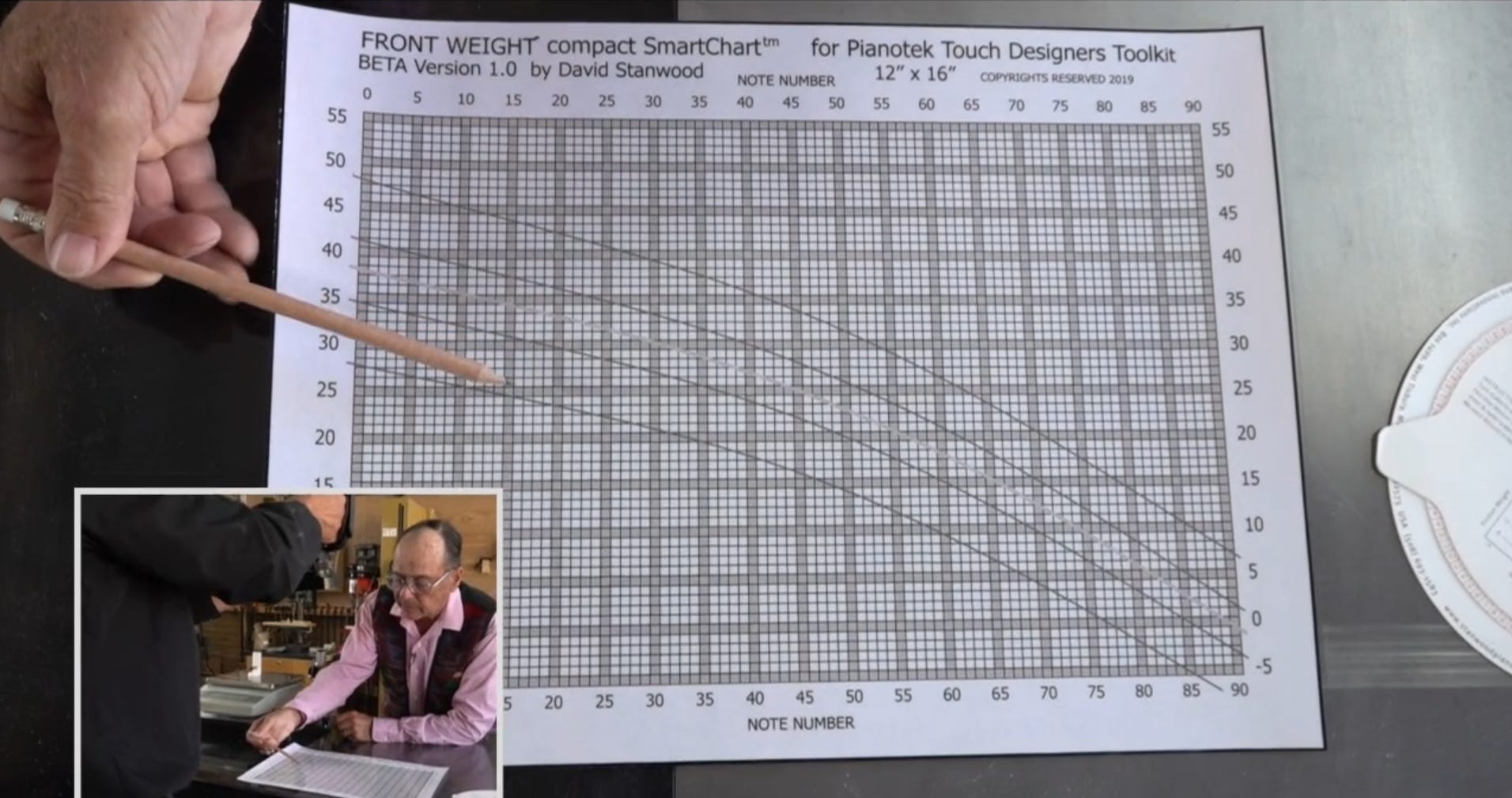
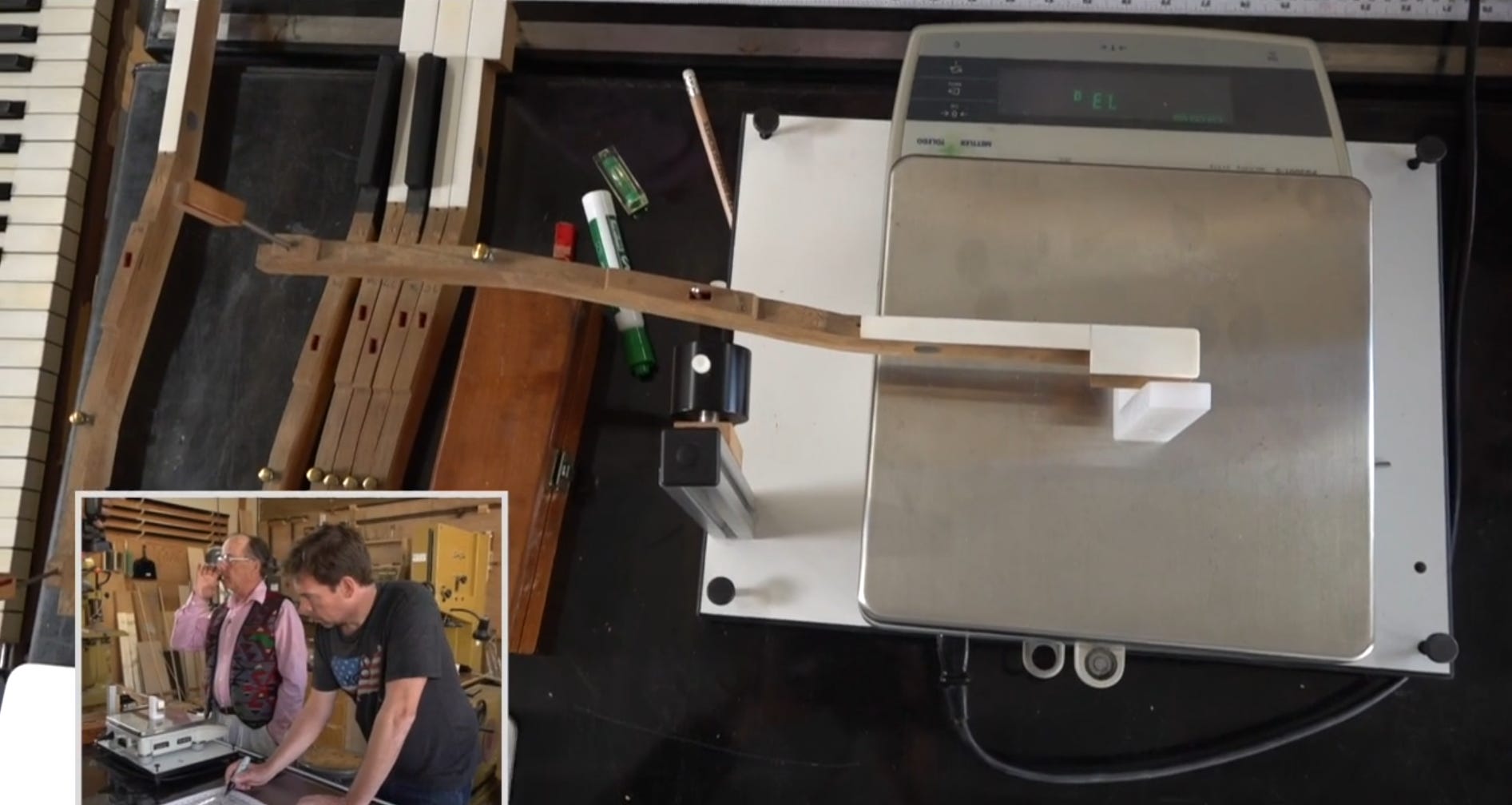
To achieve a balanced action where each key moves with uniform resistance or ease, technicians must first accurately measure the front weight. Using digital scales along with customized jigs ensures precise readings that reflect each key's inertia.
Understanding Hammer Weights
Hammer weight plays a pivotal role in determining the inertia felt when playing - it translates physical motion into musical expression. Technicians should be adept at selecting hammers that contribute positively towards achieving medium inertia within an action setup.
Preventing Key Slippage
Key slippage disrupts player control, thus addressing it is vital. The pin method involves careful adjustment ensuring stability across all keys without compromising responsiveness.
Adjusting Balance Rail Punchings
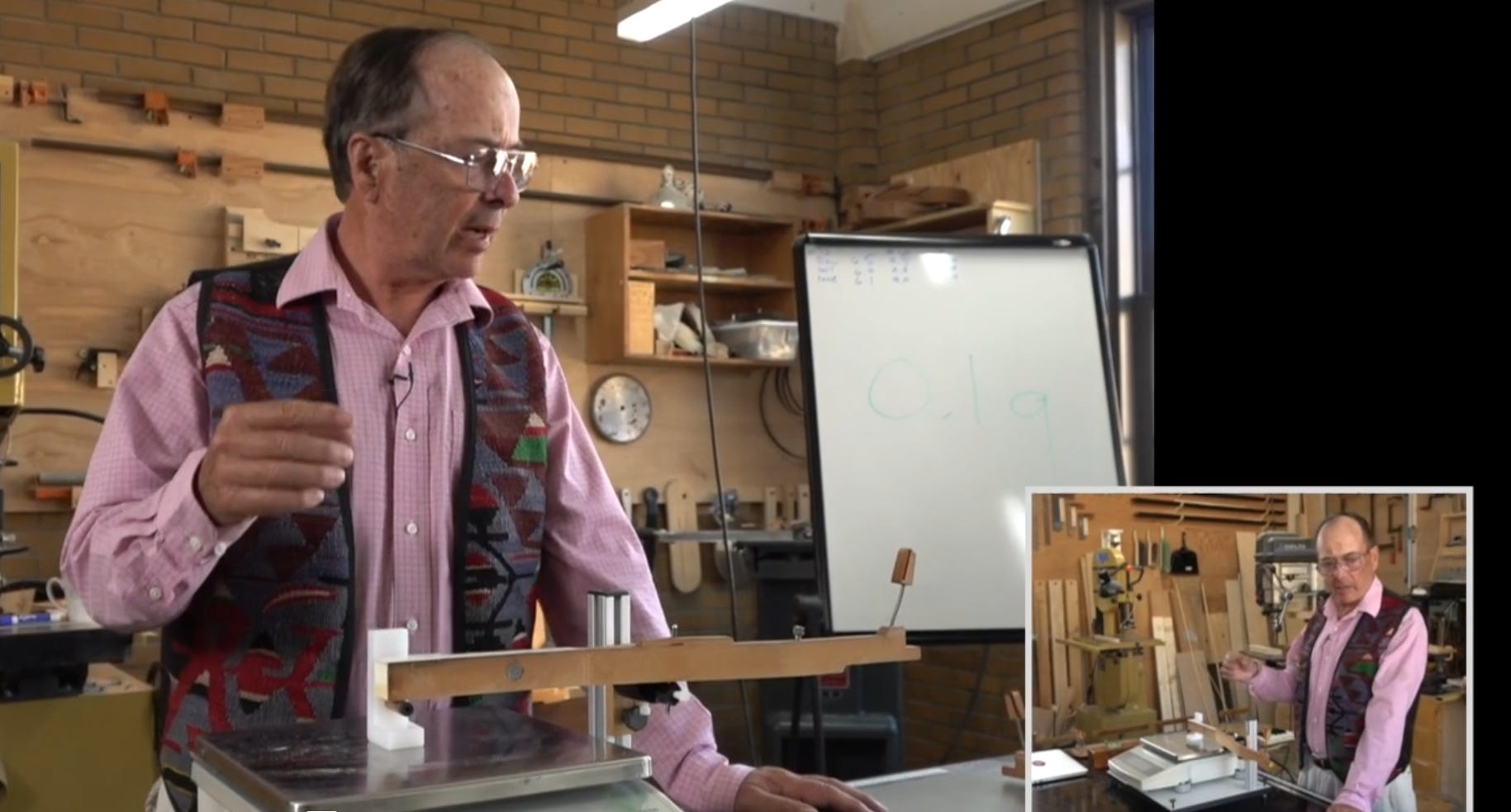
Altering punchings shifts pivot points affecting overall keyboard feel—an intricate process requiring precision but resulting in significantly improved touch sensitivity.
Aligning Keys With Off-Center Cushions
Realignment techniques catered towards accommodating off-center cushions are less commonly known but equally important for maintaining consistent action throughout every octave range.
Precision Touch Design (PTD) Methodology
Stanwood’s PTD methodology focuses on syncing hammer weights with corresponding front weights rather than adhering strictly to traditional regulation practices – promoting harmony between down/up movements.
Balancing Keys Through Keypad Sizing & Weight Selections
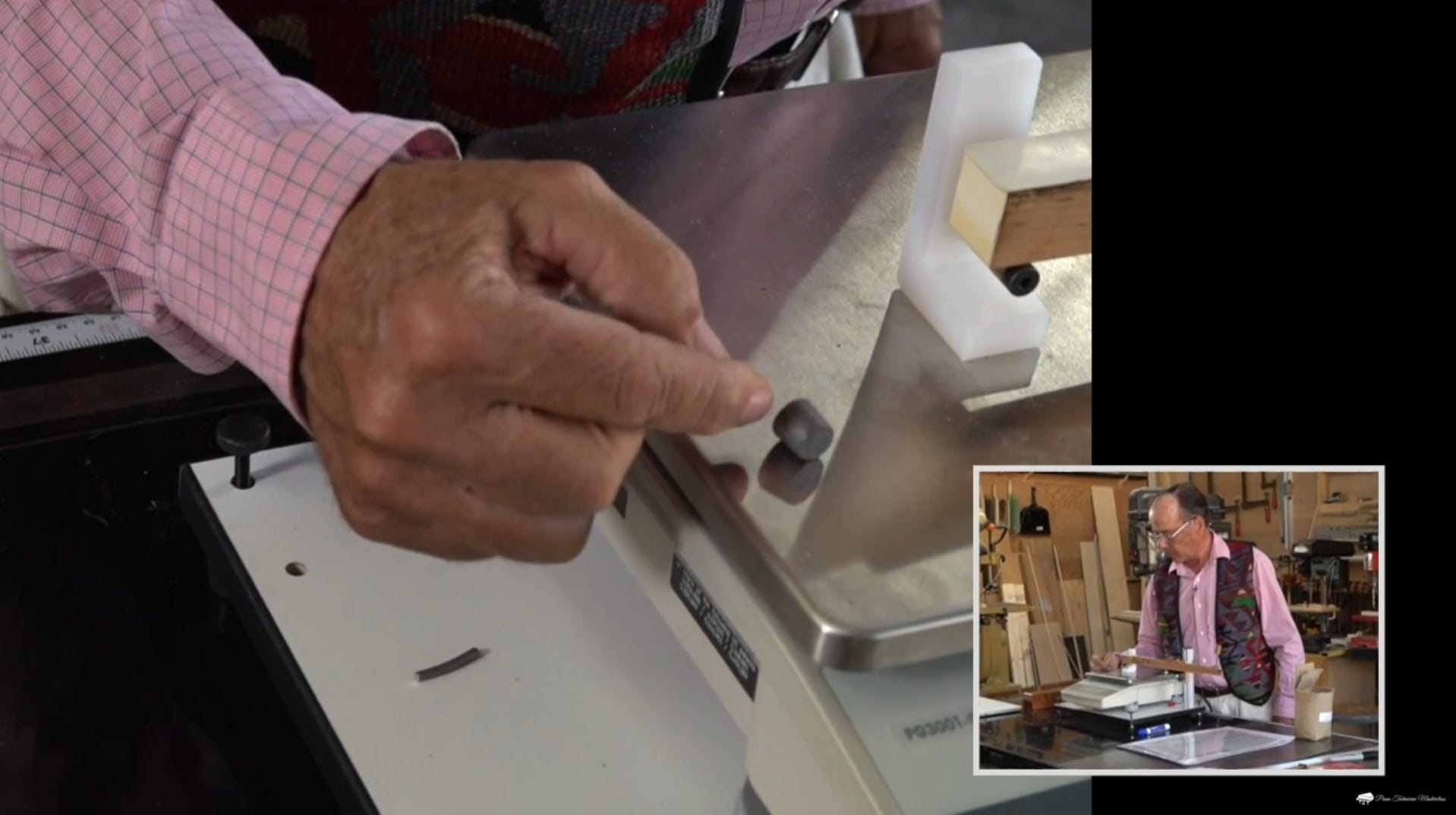
Selecting correct keypad sizes/weights ensures equilibrium within actions; small tweaks during installation make substantial differences regarding final performance characteristics.
Key Lead Distribution Strategies
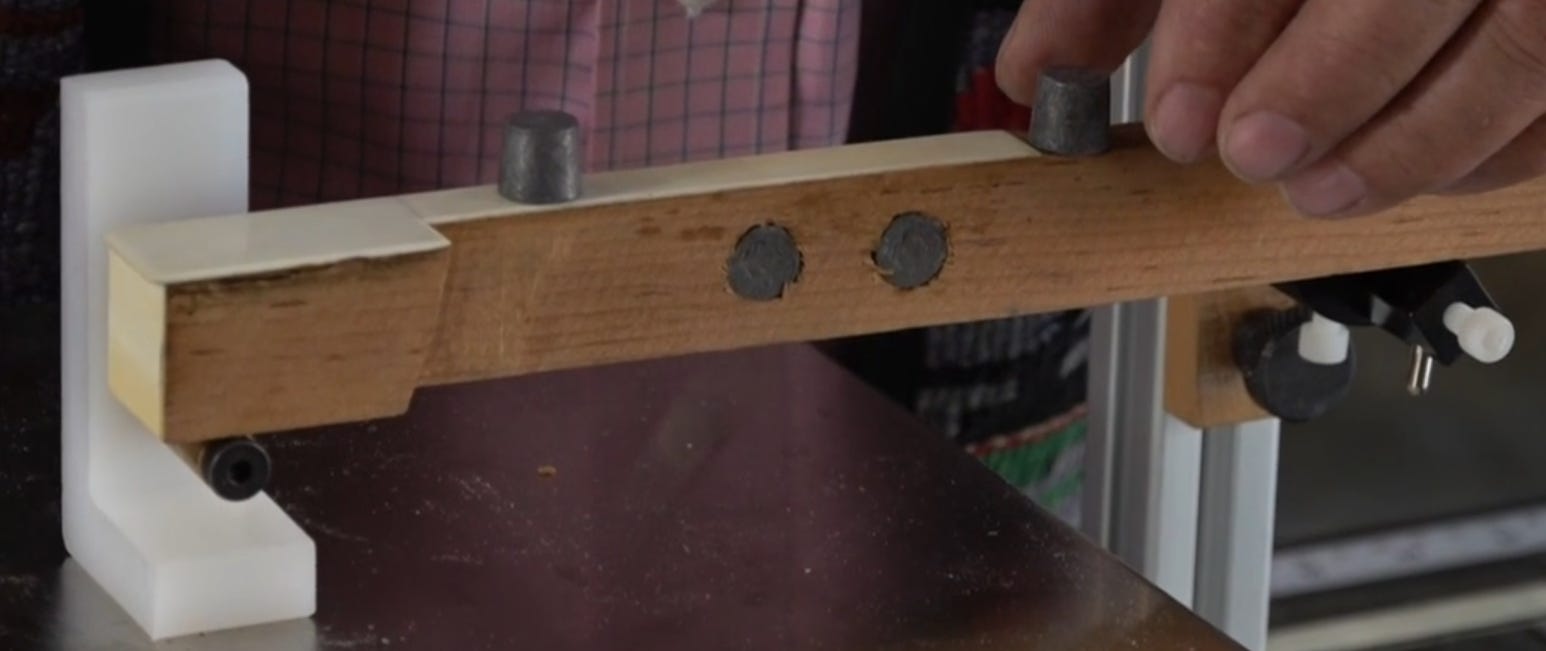
Discussions around whether lead placements should favor quick repetition or dynamic response highlight differing philosophies among technicians—it ultimately boils down to consistency across all keys guaranteeing reliable feedback during performances.
By adopting these measured approaches pioneered by experts like Stanwood and integrating them into your practice, you enhance not just individual instruments, but also your reputation as a skilled technician capable of fine-tuning pianos meticulously tailored toward performers’ needs.
As valuable as this information may be, there are numerous other fascinating topics covered within our source lecture that weren't addressed here; such as specific measurement tools' usage tips or advanced calibration procedures which could further deepen your expertise and ensure you’re giving the pianos you work on the utmost care and attention.
For more detail and further information on this topic, you can purchase access to view this masterclass on our website, or sign up for a subscription to watch not only this but the rest of the masterclasses in our video library. We have one of the premier resources for piano technicians looking to improve every aspect of their practice, so join us today!